What Is Dhikr in Islam? A Simple Guide to the Remembrance of Allah
Many of us go through our days doing a hundred things at once — moving from one task to another without really slowing down. In that rush, it’s easy to feel disconnected, even when we don’t want to be.
That’s where dhikr quietly fits into everyday life.
Dhikr isn’t complicated, and it doesn’t need perfect timing or a quiet place. You can do it anywhere — while driving, cooking, or even sitting and waiting. And if you ever find yourself losing count, using a simple online tasbeeh counter or a digital tasbih counter can make things easier and help you stay consistent.
If you’re new to dhikr or just want to build a more regular habit, this guide will walk you through it in a simple, practical way.
What Does Dhikr Mean?
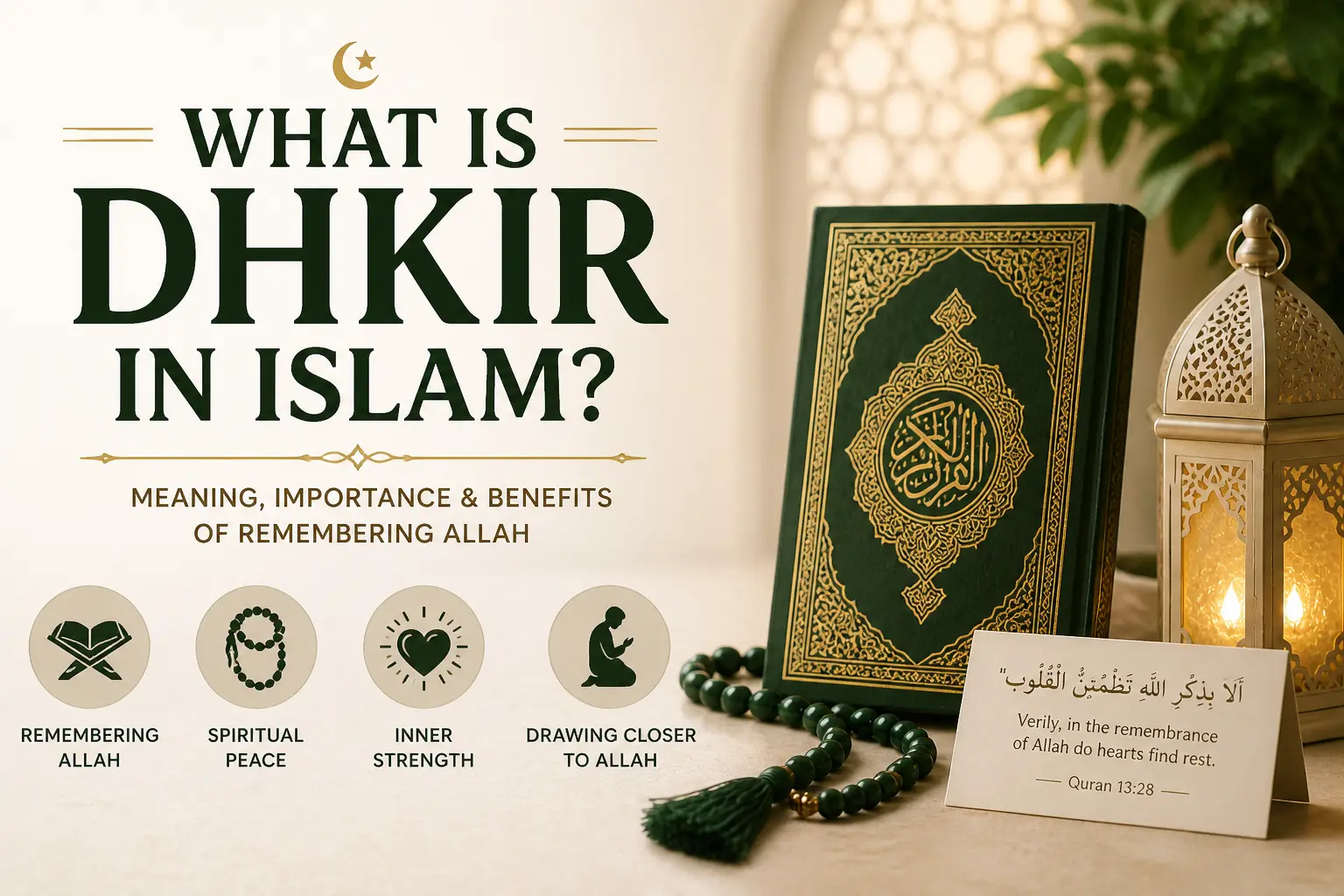
The word dhikr (ذِكْر) comes from Arabic and simply means remembrance or mention. In Islam, it refers to the act of remembering and mentioning Allah — whether in your heart, on your tongue, or both.
Common phrases like SubhanAllah, Alhamdulillah, and Allahu Akbar are all forms of dhikr. You can repeat them anytime, in any amount, and they count as worship. No preparation needed. No specific place required.
Dhikr isn’t limited to a single moment. It’s meant to be woven into your whole day.
Why Is Dhikr Important in Islam?
Islam places enormous value on the remembrance of Allah. It’s not just a ritual — it’s a way of keeping your heart oriented toward what matters most, no matter what’s happening around you.
When you remember Allah regularly, something shifts. Worry gets smaller. Stress loses its grip. You start to feel more grounded, even in difficult moments. That’s not a coincidence — it’s what consistent dhikr does to the heart over time.
Many Muslims describe dhikr as the one practice that changed everything for them. Not because it solved their problems, but because it changed how they faced them.
What Are the Different Types of Dhikr?
1. Dhikr of the Tongue
This is the most visible type — repeating phrases out loud or quietly. SubhanAllah while cooking. Alhamdulillah after good news. Astaghfirullah when you realize you’ve made a mistake. This is where most people start, and it’s a great place to begin
2. Dhikr of the Heart
This is internal, silent reflection — thinking about Allah’s greatness, His mercy, and His presence in your life without speaking a word. It can happen during a walk, before sleeping, or in any quiet moment.
3. Structured Dhikr (Adhkar)
These are specific phrases recommended for specific times — morning, evening, after prayer, before sleep, when entering your home, and more. They create a rhythm of remembrance throughout your day that keeps you anchored.
How Is Dhikr Different from Dua?
A lot of people mix these up. Both are acts of worship, but they serve different purposes.
Dhikr is remembrance — glorifying, praising, and thinking of Allah. It’s not asking for anything specific. It’s simply acknowledging who Allah is.
Dua is supplication — making a direct request to Allah for something you need or want.
You can do both at the same time, and both are valued. But dhikr is unique because it can be done constantly, even when you have no specific need. It’s an ongoing connection — not just a moment of asking.
Simple Dhikr Phrases to Start With
If you’re just starting out, keep it simple. These four phrases are the foundation of most dhikr practice:
- SubhanAllah (سُبْحَانَ اللَّهِ) — Glory be to Allah
- Alhamdulillah (الحمد لله) — All praise is for Allah
- Allahu Akbar (اللَّهُ أَكْبَر) — Allah is the Greatest
- Astaghfirullah — I seek Allah’s forgiveness
Start with whichever phrase feels right. Say it 33 times. Notice how you feel after. That’s all it takes to begin.
How to Make Dhikr Part of Your Daily Life
The goal isn’t to set aside a big block of time for dhikr. The goal is to attach it to things you’re already doing.
- Say SubhanAllah while doing dishes or folding laundry
- Recite Astaghfirullah during your commute
- Use a digital tasbih counter to keep your count without losing focus
- Set a small daily goal — even 33 counts of one phrase is a solid start
Consistency matters far more than quantity. A little dhikr done daily, every day, is more powerful than a lot done once a week and forgotten.
Using a Tasbih Counter for Dhikr
Traditionally, Muslims used physical prayer beads — called misbaha or tasbih beads — to count their dhikr. Today, a digital tasbih counter does the same job, and it’s always with you on your phone or laptop.
Our free online tasbih counter lets you count your dhikr without downloading anything. Just open it in your browser, tap to count, and reset whenever you’re ready to start a new phrase. Simple, distraction-free, and works on any device.
👉 [Try the free Tasbeeh Counter here]
FAQ
Q: Can dhikr be done silently? Yes. Silent dhikr — remembering Allah in your heart without speaking — is completely valid. It’s especially useful in public places or situations where speaking isn’t easy.
Q: Is there a wrong time to do dhikr? Generally no. Dhikr can be done at almost any time of day or night. The only exception is inside the bathroom, where it’s considered disrespectful.
Q: Do I need to be in wudu for dhikr? Wudu is not required for general dhikr phrases. It’s required for salah and touching the Quran, but you can say SubhanAllah or Alhamdulillah anytime.
Q: What if I keep losing count? That’s completely normal when you’re starting out. A tasbih counter — digital or physical — solves this instantly and lets you stay focused on the words rather than the numbers.
Q: Is dhikr only for religious people? Not at all. Dhikr is for every Muslim at every stage of their journey. It’s one of the most accessible forms of worship — no special knowledge required.
Read next:
- Learn more about the benefits of daily zikr.
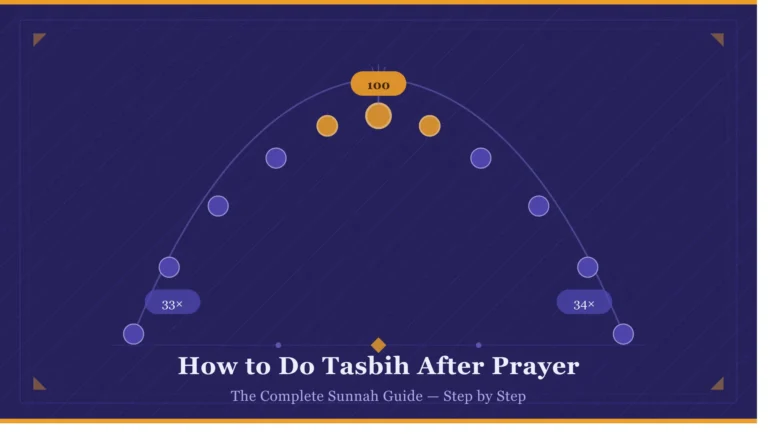
- See how to do tasbih after prayer
- Use this online tasbeeh counter to track your zikr

One Comment